Buy vernetzen.eu ?
We are moving the project
vernetzen.eu .
Are you interested in purchasing the domain
vernetzen.eu ?
domain@kv-gmbh.de · 0541-91531010
Buy vernetzen.eu ?
How many vertices does a prism with 20 lateral faces and 1000 vertices have?
A prism with 20 lateral faces has 2 additional vertices at each end, so it has a total of 40 vertices. Therefore, a prism with 20 lateral faces and 1000 vertices would have 1000 - 40 = 960 vertices on its lateral faces. **
How many vertices does a circle have?
A circle does not have vertices. Vertices are the points where the edges of a shape meet, and since a circle has no edges, it does not have any vertices. Instead, a circle is defined by its center point and its radius. **

Similar search terms for Vertices
Top-Angebote
Products related to Vertices:
-
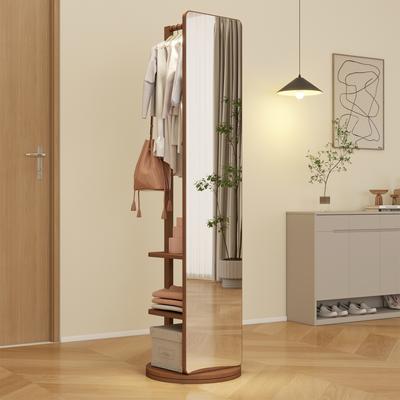
DEVERA Hanger and Full-length Mirror IntegrationSpecification Main Material: Rubber Wood,Solid Wood,Wood+Glass Product Style: American Design,Artsy,Beach,Contemporary,European Product Features Product Information: Full-length mirror, solid wood + rubber wood + glass, 68.8*19.6in (mirror width:...356,99 $*Shipping: 0,00 $Secure redirect to the provider
-
Microsoft Surface Arc Mouse – Black, Bluetooth Connectivity, NewThe Microsoft Surface Arc Mouse in black is a sleek, compact, and ergonomic Bluetooth mouse designed to complement your Surface device. Featuring a unique, arc-shaped design, this mouse is both comfortable and portable, making it perfect for on-the-go use. With smooth, precise tracking and a touch-sensitive surface, the Surface Arc Mouse provides an intuitive and seamless experience for both work and play. Bluetooth Connectivity: Enjoy wireless convenience with Bluetooth connectivity, allowing for easy pairing with Surface devices and other compatible laptops or tablets without the need for a USB receiver. Unique Arc Design: The innovative arc design lets you flatten the mouse for easy storage and instantly snap it into a curved shape for comfortable use. Touch-Sensitive Surface: The touch-sensitive surface allows you to perform scrolling, right-clicking, and left-clicking with intuitive gestures for a smooth, responsive experience. Compact & Portable: Its slim, lightweight form factor makes it easy to carry around and store, ideal for professionals on the go. Ergonomic Comfort: Designed for all-day comfort, the Surface Arc Mouse provides a natural, relaxed grip, reducing strain during extended usage. Long Battery Life: Enjoy hours of use with efficient power management, and easily replace the battery when needed for continued performance. Works with Surface Devices: Seamlessly integrates with Surface laptops, tablets, and other Bluetooth-enabled devices for optimal compatibility. EAN : 196388243730 The Microsoft Surface Arc Mouse is the perfect accessory for anyone looking for a portable, stylish, and ergonomic mouse. Its wireless Bluetooth connectivity, touch-sensitive design, and compact size make it an ideal choice for work or travel. Get yours today and enjoy a smooth and efficient computing experience.69,99 £*Shipping: 0,00 £Secure redirect to the provider



-
What are the vertices in mathematical equations?
In mathematical equations, the vertices are the points where the graph of the equation changes direction. For example, in a parabola, the vertex is the lowest or highest point on the graph, depending on whether the parabola opens upwards or downwards. In a linear equation, the vertex is the point where the line changes direction. The vertex is an important point in understanding the behavior and properties of the graph of an equation. **
-
How many vertices does a trapezoidal prism have?
A trapezoidal prism has 10 vertices. It has 2 vertices on each of the trapezoidal bases and 4 vertices on the rectangular sides. **
-
What is an isometry with non-orthogonal vertices?
An isometry with non-orthogonal vertices is a transformation that preserves distances and angles between points, but the vertices are not at right angles to each other. This means that the shape is still congruent to its original form, but the angles between the edges are not necessarily 90 degrees. Isometries with non-orthogonal vertices can include translations, rotations, reflections, and glide reflections. These transformations are important in geometry and can help us understand the properties of shapes in different orientations. **
-
What is the precise relationship between the vertices?
The relationship between the vertices in a geometric shape depends on the specific shape being considered. In a triangle, the vertices are connected by line segments to form the sides of the triangle. In a square or rectangle, the vertices are connected by line segments to form the four sides of the shape. The vertices of a polygon are the points where the sides of the shape intersect. The precise relationship between the vertices is that they define the corners or points of intersection of the sides of the shape. **

How do I connect two vertices in Blender?
To connect two vertices in Blender, you can use the "F" key to create an edge between them. First, select the two vertices you want to connect by right-clicking on them. Then, press "F" to create an edge between the selected vertices. This will connect the two vertices and create a new edge between them. **
How can one determine the vertices A and C?
To determine the vertices A and C of a triangle, one can look for the points where the sides of the triangle intersect with the x and y axes. The vertex A is the point where the triangle intersects the x-axis, while the vertex C is the point where the triangle intersects the y-axis. By identifying these intersection points, one can determine the vertices A and C of the triangle. **
Top-Angebote
Products related to Vertices:
-
How many vertices does a prism with 20 lateral faces and 1000 vertices have?
A prism with 20 lateral faces has 2 additional vertices at each end, so it has a total of 40 vertices. Therefore, a prism with 20 lateral faces and 1000 vertices would have 1000 - 40 = 960 vertices on its lateral faces. **
-
How many vertices does a circle have?
A circle does not have vertices. Vertices are the points where the edges of a shape meet, and since a circle has no edges, it does not have any vertices. Instead, a circle is defined by its center point and its radius. **
-
What are the vertices in mathematical equations?
In mathematical equations, the vertices are the points where the graph of the equation changes direction. For example, in a parabola, the vertex is the lowest or highest point on the graph, depending on whether the parabola opens upwards or downwards. In a linear equation, the vertex is the point where the line changes direction. The vertex is an important point in understanding the behavior and properties of the graph of an equation. **
-
How many vertices does a trapezoidal prism have?
A trapezoidal prism has 10 vertices. It has 2 vertices on each of the trapezoidal bases and 4 vertices on the rectangular sides. **
Similar search terms for Vertices
-
DEVERA Hanger and Full-length Mirror IntegrationSpecification Main Material: Rubber Wood,Solid Wood,Wood+Glass Product Style: American Design,Artsy,Beach,Contemporary,European Product Features Product Information: Full-length mirror, solid wood + rubber wood + glass, 68.8*19.6in (mirror width:...356,99 $*Shipping: 0,00 $Secure redirect to the provider
-
Microsoft Surface Arc Mouse – Black, Bluetooth Connectivity, NewThe Microsoft Surface Arc Mouse in black is a sleek, compact, and ergonomic Bluetooth mouse designed to complement your Surface device. Featuring a unique, arc-shaped design, this mouse is both comfortable and portable, making it perfect for on-the-go use. With smooth, precise tracking and a touch-sensitive surface, the Surface Arc Mouse provides an intuitive and seamless experience for both work and play. Bluetooth Connectivity: Enjoy wireless convenience with Bluetooth connectivity, allowing for easy pairing with Surface devices and other compatible laptops or tablets without the need for a USB receiver. Unique Arc Design: The innovative arc design lets you flatten the mouse for easy storage and instantly snap it into a curved shape for comfortable use. Touch-Sensitive Surface: The touch-sensitive surface allows you to perform scrolling, right-clicking, and left-clicking with intuitive gestures for a smooth, responsive experience. Compact & Portable: Its slim, lightweight form factor makes it easy to carry around and store, ideal for professionals on the go. Ergonomic Comfort: Designed for all-day comfort, the Surface Arc Mouse provides a natural, relaxed grip, reducing strain during extended usage. Long Battery Life: Enjoy hours of use with efficient power management, and easily replace the battery when needed for continued performance. Works with Surface Devices: Seamlessly integrates with Surface laptops, tablets, and other Bluetooth-enabled devices for optimal compatibility. EAN : 196388243730 The Microsoft Surface Arc Mouse is the perfect accessory for anyone looking for a portable, stylish, and ergonomic mouse. Its wireless Bluetooth connectivity, touch-sensitive design, and compact size make it an ideal choice for work or travel. Get yours today and enjoy a smooth and efficient computing experience.69,99 £*Shipping: 0,00 £Secure redirect to the provider
-
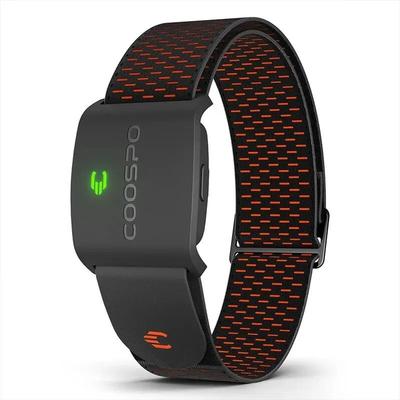
Uplift Essentials Armband Heart Rate Monitor With Bluetooth 5.0 And ANT+ Connectivity Armband Heart Rate Monitor With Bluetooth 5.0 And ANT+ ConnectivityTrain smarter and safer with this armband heart rate monitor featuring accurate optical HR tracking, calorie burn monitoring, and heart rate zone feedback. Designed for fitness enthusiasts, cyclists, and athletes, this device connects seamlessly to...126,97 $*Shipping: 0,00 $Secure redirect to the provider
-
What is an isometry with non-orthogonal vertices?
An isometry with non-orthogonal vertices is a transformation that preserves distances and angles between points, but the vertices are not at right angles to each other. This means that the shape is still congruent to its original form, but the angles between the edges are not necessarily 90 degrees. Isometries with non-orthogonal vertices can include translations, rotations, reflections, and glide reflections. These transformations are important in geometry and can help us understand the properties of shapes in different orientations. **
-
What is the precise relationship between the vertices?
The relationship between the vertices in a geometric shape depends on the specific shape being considered. In a triangle, the vertices are connected by line segments to form the sides of the triangle. In a square or rectangle, the vertices are connected by line segments to form the four sides of the shape. The vertices of a polygon are the points where the sides of the shape intersect. The precise relationship between the vertices is that they define the corners or points of intersection of the sides of the shape. **
-
How do I connect two vertices in Blender?
To connect two vertices in Blender, you can use the "F" key to create an edge between them. First, select the two vertices you want to connect by right-clicking on them. Then, press "F" to create an edge between the selected vertices. This will connect the two vertices and create a new edge between them. **
-
How can one determine the vertices A and C?
To determine the vertices A and C of a triangle, one can look for the points where the sides of the triangle intersect with the x and y axes. The vertex A is the point where the triangle intersects the x-axis, while the vertex C is the point where the triangle intersects the y-axis. By identifying these intersection points, one can determine the vertices A and C of the triangle. **
* All prices are inclusive of VAT and, if applicable, plus shipping costs. The offer information is based on the details provided by the respective shop and is updated through automated processes. Real-time updates do not occur, so deviations can occur in individual cases. ** Note: Parts of this content were created by AI.