Buy vernetzen.eu ?
We are moving the project
vernetzen.eu .
Are you interested in purchasing the domain
vernetzen.eu ?
domain@kv-gmbh.de · 0541-91531010
Buy vernetzen.eu ?
'besteht?' translates to 'exists?' in English.
"Besteht?" translates to "exists?" in English. This question is used to inquire about the presence or existence of something. It is often used to confirm whether something is real or present in a particular situation. For example, "Besteht dieses Problem?" translates to "Does this problem exist?" **
'aus?' translates to 'out?' in English.
''aus?'' is a German word that translates to ''out?'' in English. It is commonly used to inquire if someone is leaving or going out of a place. The question mark at the end indicates that it is a question. **

Similar search terms for Translates
Top-Angebote
Products related to Translates:
-
Microsoft Surface Arc Mouse – Black, Bluetooth Connectivity, NewThe Microsoft Surface Arc Mouse in black is a sleek, compact, and ergonomic Bluetooth mouse designed to complement your Surface device. Featuring a unique, arc-shaped design, this mouse is both comfortable and portable, making it perfect for on-the-go use. With smooth, precise tracking and a touch-sensitive surface, the Surface Arc Mouse provides an intuitive and seamless experience for both work and play. Bluetooth Connectivity: Enjoy wireless convenience with Bluetooth connectivity, allowing for easy pairing with Surface devices and other compatible laptops or tablets without the need for a USB receiver. Unique Arc Design: The innovative arc design lets you flatten the mouse for easy storage and instantly snap it into a curved shape for comfortable use. Touch-Sensitive Surface: The touch-sensitive surface allows you to perform scrolling, right-clicking, and left-clicking with intuitive gestures for a smooth, responsive experience. Compact & Portable: Its slim, lightweight form factor makes it easy to carry around and store, ideal for professionals on the go. Ergonomic Comfort: Designed for all-day comfort, the Surface Arc Mouse provides a natural, relaxed grip, reducing strain during extended usage. Long Battery Life: Enjoy hours of use with efficient power management, and easily replace the battery when needed for continued performance. Works with Surface Devices: Seamlessly integrates with Surface laptops, tablets, and other Bluetooth-enabled devices for optimal compatibility. EAN : 196388243730 The Microsoft Surface Arc Mouse is the perfect accessory for anyone looking for a portable, stylish, and ergonomic mouse. Its wireless Bluetooth connectivity, touch-sensitive design, and compact size make it an ideal choice for work or travel. Get yours today and enjoy a smooth and efficient computing experience.69,99 £*Shipping: 0,00 £Secure redirect to the provider
-
DEVERA Hanger and Full-length Mirror IntegrationSpecification Main Material: Rubber Wood,Solid Wood,Wood+Glass Product Style: American Design,Artsy,Beach,Contemporary,European Product Features Product Information: Full-length mirror, solid wood + rubber wood + glass, 68.8*19.6in (mirror width:...356,99 $*Shipping: 0,00 $Secure redirect to the provider



-
'kommt?' translates to 'coming?' in English.
"Kommt?" is a question in German that translates to "coming?" in English. It is used to inquire about someone's arrival or presence at a certain place or event. The question is often used to confirm if someone is on their way or if they plan to attend a specific location or gathering. **
-
'sieht?' translates to 'looks?' in English.
''Sieht?'' is a question in German that translates to ''looks?'' in English. It is often used to inquire about the appearance or visual perception of something. This question prompts the listener to provide their opinion or observation regarding what they see. **
-
'kann?' translates to 'can?' in English.
Yes, "kann?" translates to "can?" in English. It is a simple question in both languages that is used to inquire about someone's ability or permission to do something. The word "kann" is the conjugated form of the German verb "können," which means "to be able to" or "can." Similarly, "can" is the modal verb in English used to express ability or permission. **
-
'dunklen?' translates to 'dark?' in English.
Yes, "dunklen?" translates to "dark?" in English. The word "dunklen" is the accusative form of the adjective "dunkel" in German, and it is used to inquire about the darkness of something. In English, the question mark at the end indicates that the speaker is asking if something is dark or if a situation is unclear or mysterious. **

'Fragt' translates to 'ask' in English.
In German, the word 'fragt' translates to 'ask' in English. It is the imperative form of the verb 'fragen,' which means 'to ask.' So, 'fragt' is used to give a command or request for someone to ask a question or inquire about something. For example, "Fragt ihn, ob er heute Abend kommen kann" translates to "Ask him if he can come tonight." **
'ausgeht?' translates to 'going out?' in English.
"Ausgeht?" is a question in German that translates to "going out?" in English. It is commonly used to ask someone if they are planning to go out or if they have plans to leave their current location. This question can be used in various contexts, such as asking about social plans, evening activities, or simply inquiring about someone's intentions to leave a place. **
Top-Angebote
Products related to Translates:
-
'besteht?' translates to 'exists?' in English.
"Besteht?" translates to "exists?" in English. This question is used to inquire about the presence or existence of something. It is often used to confirm whether something is real or present in a particular situation. For example, "Besteht dieses Problem?" translates to "Does this problem exist?" **
-
'aus?' translates to 'out?' in English.
''aus?'' is a German word that translates to ''out?'' in English. It is commonly used to inquire if someone is leaving or going out of a place. The question mark at the end indicates that it is a question. **
-
'kommt?' translates to 'coming?' in English.
"Kommt?" is a question in German that translates to "coming?" in English. It is used to inquire about someone's arrival or presence at a certain place or event. The question is often used to confirm if someone is on their way or if they plan to attend a specific location or gathering. **
-
'sieht?' translates to 'looks?' in English.
''Sieht?'' is a question in German that translates to ''looks?'' in English. It is often used to inquire about the appearance or visual perception of something. This question prompts the listener to provide their opinion or observation regarding what they see. **
Similar search terms for Translates
-
Microsoft Surface Arc Mouse – Black, Bluetooth Connectivity, NewThe Microsoft Surface Arc Mouse in black is a sleek, compact, and ergonomic Bluetooth mouse designed to complement your Surface device. Featuring a unique, arc-shaped design, this mouse is both comfortable and portable, making it perfect for on-the-go use. With smooth, precise tracking and a touch-sensitive surface, the Surface Arc Mouse provides an intuitive and seamless experience for both work and play. Bluetooth Connectivity: Enjoy wireless convenience with Bluetooth connectivity, allowing for easy pairing with Surface devices and other compatible laptops or tablets without the need for a USB receiver. Unique Arc Design: The innovative arc design lets you flatten the mouse for easy storage and instantly snap it into a curved shape for comfortable use. Touch-Sensitive Surface: The touch-sensitive surface allows you to perform scrolling, right-clicking, and left-clicking with intuitive gestures for a smooth, responsive experience. Compact & Portable: Its slim, lightweight form factor makes it easy to carry around and store, ideal for professionals on the go. Ergonomic Comfort: Designed for all-day comfort, the Surface Arc Mouse provides a natural, relaxed grip, reducing strain during extended usage. Long Battery Life: Enjoy hours of use with efficient power management, and easily replace the battery when needed for continued performance. Works with Surface Devices: Seamlessly integrates with Surface laptops, tablets, and other Bluetooth-enabled devices for optimal compatibility. EAN : 196388243730 The Microsoft Surface Arc Mouse is the perfect accessory for anyone looking for a portable, stylish, and ergonomic mouse. Its wireless Bluetooth connectivity, touch-sensitive design, and compact size make it an ideal choice for work or travel. Get yours today and enjoy a smooth and efficient computing experience.69,99 £*Shipping: 0,00 £Secure redirect to the provider
-
DEVERA Hanger and Full-length Mirror IntegrationSpecification Main Material: Rubber Wood,Solid Wood,Wood+Glass Product Style: American Design,Artsy,Beach,Contemporary,European Product Features Product Information: Full-length mirror, solid wood + rubber wood + glass, 68.8*19.6in (mirror width:...356,99 $*Shipping: 0,00 $Secure redirect to the provider
-
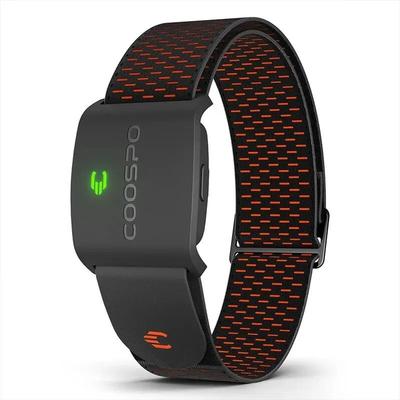
Uplift Essentials Armband Heart Rate Monitor With Bluetooth 5.0 And ANT+ Connectivity Armband Heart Rate Monitor With Bluetooth 5.0 And ANT+ ConnectivityTrain smarter and safer with this armband heart rate monitor featuring accurate optical HR tracking, calorie burn monitoring, and heart rate zone feedback. Designed for fitness enthusiasts, cyclists, and athletes, this device connects seamlessly to...126,97 $*Shipping: 0,00 $Secure redirect to the provider
-
'kann?' translates to 'can?' in English.
Yes, "kann?" translates to "can?" in English. It is a simple question in both languages that is used to inquire about someone's ability or permission to do something. The word "kann" is the conjugated form of the German verb "können," which means "to be able to" or "can." Similarly, "can" is the modal verb in English used to express ability or permission. **
-
'dunklen?' translates to 'dark?' in English.
Yes, "dunklen?" translates to "dark?" in English. The word "dunklen" is the accusative form of the adjective "dunkel" in German, and it is used to inquire about the darkness of something. In English, the question mark at the end indicates that the speaker is asking if something is dark or if a situation is unclear or mysterious. **
-
'Fragt' translates to 'ask' in English.
In German, the word 'fragt' translates to 'ask' in English. It is the imperative form of the verb 'fragen,' which means 'to ask.' So, 'fragt' is used to give a command or request for someone to ask a question or inquire about something. For example, "Fragt ihn, ob er heute Abend kommen kann" translates to "Ask him if he can come tonight." **
-
'ausgeht?' translates to 'going out?' in English.
"Ausgeht?" is a question in German that translates to "going out?" in English. It is commonly used to ask someone if they are planning to go out or if they have plans to leave their current location. This question can be used in various contexts, such as asking about social plans, evening activities, or simply inquiring about someone's intentions to leave a place. **
* All prices are inclusive of VAT and, if applicable, plus shipping costs. The offer information is based on the details provided by the respective shop and is updated through automated processes. Real-time updates do not occur, so deviations can occur in individual cases. ** Note: Parts of this content were created by AI.