Buy vernetzen.eu ?
We are moving the project
vernetzen.eu .
Are you interested in purchasing the domain
vernetzen.eu ?
domain@kv-gmbh.de · 0541-91531010
Buy vernetzen.eu ?
What is direct collaboration?
Direct collaboration refers to the process of individuals or groups working together in a coordinated and interactive manner to achieve a common goal. This involves open communication, sharing of ideas, and mutual support to accomplish tasks or solve problems. Direct collaboration often leads to more efficient and effective outcomes as it allows for real-time feedback and the pooling of diverse perspectives and expertise. This type of collaboration can occur within a team, between different departments, or even across organizations. **
Can the direct current cross-section be distributed across multiple cables?
Yes, direct current can be distributed across multiple cables. By connecting multiple cables in parallel, the total current can be divided among the cables, allowing for the distribution of the direct current across them. This method is commonly used in electrical systems to ensure that the current is evenly distributed and to prevent overloading of individual cables. **


Similar search terms for CABLES-DIRECT-CablesDirect-USB3C-951REV
Top-Angebote
Products related to CABLES-DIRECT-CablesDirect-USB3C-951REV:
-
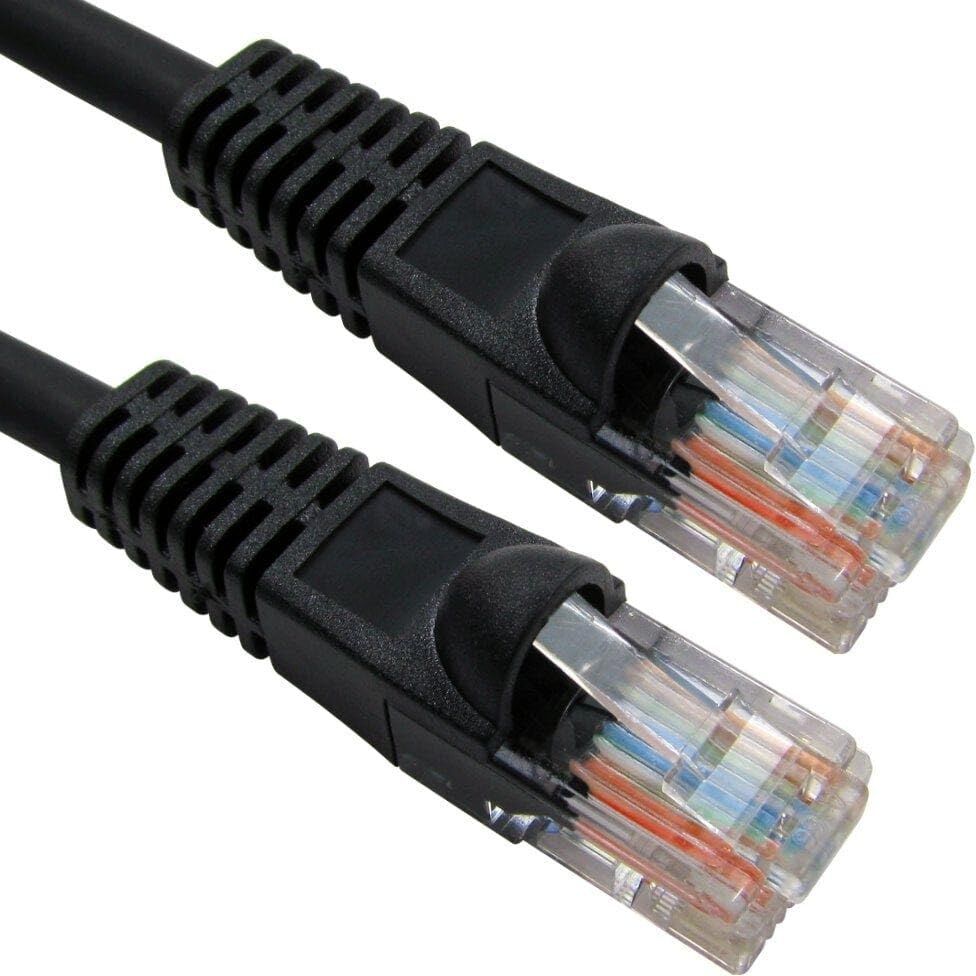
Cablesdirect Cables Direct 20m CAT5E Patch Cable (Violet)Cables Direct 20m Cat5e U/UTP network patch cable with moulded RJ45 connectors at both ends, in violet. A budget 10/100 cable with four unshielded twisted pairs; it uses copper-clad aluminium (CCA) conductors.13,99 £*Shipping: 0,00 £Secure redirect to the provider



-
How do I determine the polarity of cables in direct current?
To determine the polarity of cables in direct current, you can use a multimeter set to the DC voltage setting. Connect the red probe to the positive terminal of the cable and the black probe to the negative terminal. If the multimeter shows a positive reading, then the red probe is connected to the positive terminal. If the reading is negative, then the red probe is connected to the negative terminal. This method helps you identify the polarity of the cables accurately. **
-
Do you need thicker cables for direct current than for alternating current?
No, you do not necessarily need thicker cables for direct current (DC) than for alternating current (AC). The current-carrying capacity of a cable is determined by factors such as the material, size, and insulation of the cable, as well as the voltage and current being carried. Both DC and AC have their own unique considerations when it comes to cable sizing, but the need for thicker cables is not inherently tied to the type of current being carried. It ultimately depends on the specific requirements of the electrical system and the application. **
-
How does the stress on cables differ between direct current and alternating current?
In direct current (DC) systems, the stress on cables is relatively constant because the current flows in one direction continuously. This results in a steady and predictable stress level on the cables. On the other hand, in alternating current (AC) systems, the stress on cables fluctuates as the current changes direction periodically. This can lead to higher stress levels on the cables, especially during peak currents, which may require cables to be designed to withstand these fluctuations. **
-
Why does the voltage tester light up on both cables in direct current?
The voltage tester lights up on both cables in direct current because in a direct current circuit, the flow of electric charge is unidirectional. This means that the current flows from the positive terminal to the negative terminal of the power source. When the voltage tester is connected to the cables, it detects the presence of electric potential difference between the two points, causing the light to illuminate on both cables. This indicates that there is a voltage present in the circuit, regardless of the direction of the current flow. **
Are Chinese people really so direct in communication?
Chinese people are often perceived as being indirect in communication, as they tend to value politeness and harmony in their interactions. However, this can vary depending on the individual and the context. In formal settings or with people of higher status, Chinese people may use indirect communication to show respect. In more casual or familiar settings, they may be more direct in their communication. Overall, it's important to recognize that communication styles can differ among individuals and regions within China. **
What is the difference between copper cables, twisted-pair cables, fiber optic cables, and coaxial cables?
Copper cables are made of copper wire and are commonly used for transmitting electrical signals. Twisted-pair cables consist of pairs of insulated copper wires twisted together, which helps reduce electromagnetic interference. Fiber optic cables use thin strands of glass or plastic to transmit data using light pulses, allowing for high-speed and long-distance transmission. Coaxial cables have a central conductor surrounded by an insulating layer, a conductive shield, and an outer insulating layer, and are commonly used for cable television and internet connections. Each type of cable has its own advantages and is used for different purposes based on their unique characteristics. **
Top-Angebote
Products related to CABLES-DIRECT-CablesDirect-USB3C-951REV:
-
Cablesdirect Cables Direct 20m CAT5E Patch Cable (Violet)Cables Direct 20m Cat5e U/UTP network patch cable with moulded RJ45 connectors at both ends, in violet. A budget 10/100 cable with four unshielded twisted pairs; it uses copper-clad aluminium (CCA) conductors.13,99 £*Shipping: 0,00 £Secure redirect to the provider
-
What is direct collaboration?
Direct collaboration refers to the process of individuals or groups working together in a coordinated and interactive manner to achieve a common goal. This involves open communication, sharing of ideas, and mutual support to accomplish tasks or solve problems. Direct collaboration often leads to more efficient and effective outcomes as it allows for real-time feedback and the pooling of diverse perspectives and expertise. This type of collaboration can occur within a team, between different departments, or even across organizations. **
-
Can the direct current cross-section be distributed across multiple cables?
Yes, direct current can be distributed across multiple cables. By connecting multiple cables in parallel, the total current can be divided among the cables, allowing for the distribution of the direct current across them. This method is commonly used in electrical systems to ensure that the current is evenly distributed and to prevent overloading of individual cables. **
-
How do I determine the polarity of cables in direct current?
To determine the polarity of cables in direct current, you can use a multimeter set to the DC voltage setting. Connect the red probe to the positive terminal of the cable and the black probe to the negative terminal. If the multimeter shows a positive reading, then the red probe is connected to the positive terminal. If the reading is negative, then the red probe is connected to the negative terminal. This method helps you identify the polarity of the cables accurately. **
-
Do you need thicker cables for direct current than for alternating current?
No, you do not necessarily need thicker cables for direct current (DC) than for alternating current (AC). The current-carrying capacity of a cable is determined by factors such as the material, size, and insulation of the cable, as well as the voltage and current being carried. Both DC and AC have their own unique considerations when it comes to cable sizing, but the need for thicker cables is not inherently tied to the type of current being carried. It ultimately depends on the specific requirements of the electrical system and the application. **
Similar search terms for CABLES-DIRECT-CablesDirect-USB3C-951REV
-
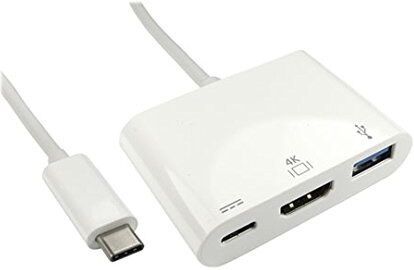
Cables Direct USB-C to HDMI & USB 3.0 Adapter with PD Charging, 15cm (USB3C-HDMIUSB-WPD)Cables Direct 15cm USB-C (male) adapter with an HDMI output, a USB 3.0 port (5Gbps, backwards compatible with USB 2.0) and a USB-C Power Delivery port for charging the host device while in use. BC1.2 supported on the USB-A port.29,49 £*Shipping: 0,00 £Secure redirect to the provider
-
How does the stress on cables differ between direct current and alternating current?
In direct current (DC) systems, the stress on cables is relatively constant because the current flows in one direction continuously. This results in a steady and predictable stress level on the cables. On the other hand, in alternating current (AC) systems, the stress on cables fluctuates as the current changes direction periodically. This can lead to higher stress levels on the cables, especially during peak currents, which may require cables to be designed to withstand these fluctuations. **
-
Why does the voltage tester light up on both cables in direct current?
The voltage tester lights up on both cables in direct current because in a direct current circuit, the flow of electric charge is unidirectional. This means that the current flows from the positive terminal to the negative terminal of the power source. When the voltage tester is connected to the cables, it detects the presence of electric potential difference between the two points, causing the light to illuminate on both cables. This indicates that there is a voltage present in the circuit, regardless of the direction of the current flow. **
-
Are Chinese people really so direct in communication?
Chinese people are often perceived as being indirect in communication, as they tend to value politeness and harmony in their interactions. However, this can vary depending on the individual and the context. In formal settings or with people of higher status, Chinese people may use indirect communication to show respect. In more casual or familiar settings, they may be more direct in their communication. Overall, it's important to recognize that communication styles can differ among individuals and regions within China. **
-
What is the difference between copper cables, twisted-pair cables, fiber optic cables, and coaxial cables?
Copper cables are made of copper wire and are commonly used for transmitting electrical signals. Twisted-pair cables consist of pairs of insulated copper wires twisted together, which helps reduce electromagnetic interference. Fiber optic cables use thin strands of glass or plastic to transmit data using light pulses, allowing for high-speed and long-distance transmission. Coaxial cables have a central conductor surrounded by an insulating layer, a conductive shield, and an outer insulating layer, and are commonly used for cable television and internet connections. Each type of cable has its own advantages and is used for different purposes based on their unique characteristics. **
* All prices are inclusive of VAT and, if applicable, plus shipping costs. The offer information is based on the details provided by the respective shop and is updated through automated processes. Real-time updates do not occur, so deviations can occur in individual cases. ** Note: Parts of this content were created by AI.