Buy vernetzen.eu ?
We are moving the project
vernetzen.eu .
Are you interested in purchasing the domain
vernetzen.eu ?
domain@kv-gmbh.de · 0541-91531010
Buy vernetzen.eu ?
How are salts formed?
Salts are formed through a chemical reaction between an acid and a base. During this reaction, the hydrogen ions from the acid combine with the hydroxide ions from the base to form water, while the remaining ions combine to form a salt. This process is known as neutralization. Salts can also be formed through the evaporation of a solution containing dissolved ions, resulting in the formation of solid salt crystals. **
When are receptors formed?
Receptors are formed during early development in the womb. They are essential proteins that are embedded in cell membranes and play a crucial role in transmitting signals from the external environment to the inside of the cell. The formation of receptors is a complex process that involves specific genetic instructions and protein synthesis. Once formed, receptors continue to be expressed and regulated throughout an individual's life to ensure proper cellular communication and function. **

Similar search terms for Formed
Top-Angebote
Products related to Formed:
-
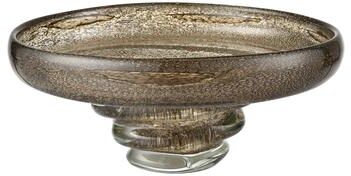
Atlas Lighting and Home Atlas Metcalf Hand-Formed Bubbled Glass Ribbed Bowl - 11.5 inch WideExperience the artistry of the Metcalf Bowl. Made from hand-formed bubbled glass, this heavyweight ribbed bowl is a testament to craftsmanship and a true work of art for your home.118,00 $*Shipping: 0,00 $Secure redirect to the provider


-
How is radioactivity formed?
Radioactivity is formed when an unstable atomic nucleus undergoes radioactive decay, emitting particles and energy in the process. This instability can be caused by having an excess of protons or neutrons in the nucleus, leading to an imbalance in the forces holding the nucleus together. The emitted particles can include alpha particles (helium nuclei), beta particles (electrons or positrons), and gamma rays (high-energy photons). The rate at which a radioactive substance decays is measured by its half-life, which is the time it takes for half of the atoms in a sample to decay. **
-
How is ATP formed?
ATP is formed through the process of cellular respiration, which occurs in the mitochondria of cells. During cellular respiration, glucose is broken down in a series of steps, releasing energy that is used to convert ADP (adenosine diphosphate) into ATP (adenosine triphosphate). This process involves the electron transport chain and the production of ATP synthase, which adds a phosphate group to ADP to form ATP. Overall, ATP is formed through the transfer of energy from glucose to ADP, creating a molecule that serves as the primary energy source for cellular activities. **
-
How are mitochondria formed?
Mitochondria are formed through a process called mitochondrial biogenesis, which involves the growth and division of existing mitochondria. Mitochondria have their own DNA and can replicate independently of the cell's nucleus. When a cell needs more energy, it signals for the production of new mitochondria through a complex interplay of signaling pathways and regulatory proteins. This process ensures that the cell has an adequate supply of mitochondria to meet its energy demands. **
-
How are molecules formed?
Molecules are formed through chemical bonding between atoms. Atoms can either share electrons to form covalent bonds or transfer electrons to form ionic bonds. The type of bonding that occurs depends on the elements involved and their tendency to gain, lose, or share electrons. Once atoms are bonded together, they form a stable structure known as a molecule. **

How is skin formed?
Skin is formed through a process called skin cell proliferation and differentiation. The outer layer of the skin, known as the epidermis, is made up of several layers of cells that are constantly being shed and replaced. The inner layer, called the dermis, contains collagen and elastin fibers that provide structure and elasticity to the skin. Skin cells are produced in the deepest layer of the epidermis, called the basal layer, and as they move towards the surface, they undergo a process of differentiation and eventually die to form the protective barrier of the skin. **
How are hotspots formed?
Hotspots are formed by a plume of hot magma rising from deep within the Earth's mantle. As the tectonic plate moves over the stationary hotspot, a series of volcanic eruptions occur, creating a chain of volcanic islands or seamounts. Over time, as the plate continues to move, new volcanic activity may form in a different location, leading to the creation of a new hotspot. This process results in the formation of volcanic island chains, such as the Hawaiian Islands. **
Top-Angebote
Products related to Formed:
-
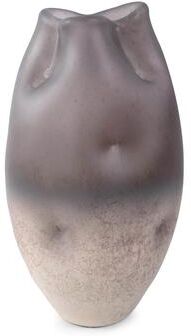
Allan Andrews Electric Flow Free Formed VaseThis hand-blown vase features a captivating ombre effect, blending cool gray and aubergine with warm beige and gold. With its unique shape and matte finish, it brings a modern touch to any design.189,00 $*Shipping: 0,00 $Secure redirect to the provider
-
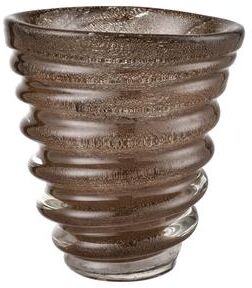
Atlas Lighting and Home Atlas Metcalf Hand-Formed Bubbled Glass VaseExperience the artistry of the Metcalf Vase. Made from hand-formed bubbled glass, this heavyweight ribbed vase is a testament to craftsmanship and a true work of art for your home.150,00 $*Shipping: 0,00 $Secure redirect to the provider
-
Atlas Lighting and Home Atlas Metcalf Hand-Formed Bubbled Glass Ribbed Bowl - 11.5 inch WideExperience the artistry of the Metcalf Bowl. Made from hand-formed bubbled glass, this heavyweight ribbed bowl is a testament to craftsmanship and a true work of art for your home.118,00 $*Shipping: 0,00 $Secure redirect to the provider
-
How are salts formed?
Salts are formed through a chemical reaction between an acid and a base. During this reaction, the hydrogen ions from the acid combine with the hydroxide ions from the base to form water, while the remaining ions combine to form a salt. This process is known as neutralization. Salts can also be formed through the evaporation of a solution containing dissolved ions, resulting in the formation of solid salt crystals. **
-
When are receptors formed?
Receptors are formed during early development in the womb. They are essential proteins that are embedded in cell membranes and play a crucial role in transmitting signals from the external environment to the inside of the cell. The formation of receptors is a complex process that involves specific genetic instructions and protein synthesis. Once formed, receptors continue to be expressed and regulated throughout an individual's life to ensure proper cellular communication and function. **
-
How is radioactivity formed?
Radioactivity is formed when an unstable atomic nucleus undergoes radioactive decay, emitting particles and energy in the process. This instability can be caused by having an excess of protons or neutrons in the nucleus, leading to an imbalance in the forces holding the nucleus together. The emitted particles can include alpha particles (helium nuclei), beta particles (electrons or positrons), and gamma rays (high-energy photons). The rate at which a radioactive substance decays is measured by its half-life, which is the time it takes for half of the atoms in a sample to decay. **
-
How is ATP formed?
ATP is formed through the process of cellular respiration, which occurs in the mitochondria of cells. During cellular respiration, glucose is broken down in a series of steps, releasing energy that is used to convert ADP (adenosine diphosphate) into ATP (adenosine triphosphate). This process involves the electron transport chain and the production of ATP synthase, which adds a phosphate group to ADP to form ATP. Overall, ATP is formed through the transfer of energy from glucose to ADP, creating a molecule that serves as the primary energy source for cellular activities. **
Similar search terms for Formed
-
DEVERA Hanger and Full-length Mirror IntegrationSpecification Main Material: Rubber Wood,Solid Wood,Wood+Glass Product Style: American Design,Art Deco,Artsy,Contemporary,European Product Features Product Information: Full-length mirror, solid wood + rubber wood + glass, 65.7*17.7in (mirror width:…302,39 $*Shipping: 0,00 $Secure redirect to the provider
-
Atlas Lighting and Home Atlas Metcalf Hand-Formed Bubbled Glass VaseExperience the artistry of the Metcalf Vase. Made from hand-formed bubbled glass, this heavyweight ribbed vase is a testament to craftsmanship and a true work of art for your home.98,00 $*Shipping: 0,00 $Secure redirect to the provider
-
How are mitochondria formed?
Mitochondria are formed through a process called mitochondrial biogenesis, which involves the growth and division of existing mitochondria. Mitochondria have their own DNA and can replicate independently of the cell's nucleus. When a cell needs more energy, it signals for the production of new mitochondria through a complex interplay of signaling pathways and regulatory proteins. This process ensures that the cell has an adequate supply of mitochondria to meet its energy demands. **
-
How are molecules formed?
Molecules are formed through chemical bonding between atoms. Atoms can either share electrons to form covalent bonds or transfer electrons to form ionic bonds. The type of bonding that occurs depends on the elements involved and their tendency to gain, lose, or share electrons. Once atoms are bonded together, they form a stable structure known as a molecule. **
-
How is skin formed?
Skin is formed through a process called skin cell proliferation and differentiation. The outer layer of the skin, known as the epidermis, is made up of several layers of cells that are constantly being shed and replaced. The inner layer, called the dermis, contains collagen and elastin fibers that provide structure and elasticity to the skin. Skin cells are produced in the deepest layer of the epidermis, called the basal layer, and as they move towards the surface, they undergo a process of differentiation and eventually die to form the protective barrier of the skin. **
-
How are hotspots formed?
Hotspots are formed by a plume of hot magma rising from deep within the Earth's mantle. As the tectonic plate moves over the stationary hotspot, a series of volcanic eruptions occur, creating a chain of volcanic islands or seamounts. Over time, as the plate continues to move, new volcanic activity may form in a different location, leading to the creation of a new hotspot. This process results in the formation of volcanic island chains, such as the Hawaiian Islands. **
* All prices are inclusive of VAT and, if applicable, plus shipping costs. The offer information is based on the details provided by the respective shop and is updated through automated processes. Real-time updates do not occur, so deviations can occur in individual cases. ** Note: Parts of this content were created by AI.